
January 26, 2026
Why Do Insurance Companies Deny Claims?
If you have ever filed a claim and received a denial, you are not alone. Many policyholders ask the same question: why do insurance companies deny claims even when coverage seems clear. The answer is rarely simple, but it is usually predictable.
Understanding why do insurance companies deny claims gives you leverage. It helps you avoid mistakes, prepare stronger documentation, and challenge unfair decisions.
Why Do Insurance Companies Deny Claims Due to Policy Language
One of the most common explanations for why do insurance companies deny claims is hidden in the policy wording. Insurance contracts are written to limit payouts, not to maximize them.
Common policy-based reasons include:
- Exclusions buried in fine print
- Coverage limits that are lower than expected
- Specific conditions that must be met exactly
When people ask why do insurance companies deny claims, unclear or misunderstood policy language is often the real culprit.
Why Do Insurance Companies Deny Claims Over Documentation Issues
Another major reason why do insurance companies deny claims is incomplete or incorrect paperwork. Insurance companies rely heavily on documentation, and even small errors can trigger a rejection.
Typical documentation problems include:
- Missing photos or receipts
- Late submission of forms
- Inconsistent statements
If you are wondering why do insurance companies deny claims so frequently, paperwork mistakes play a bigger role than most people realize.
Why Do Insurance Companies Deny Claims After Investigations
Insurance companies investigate claims to protect their bottom line. This is a key reason why do insurance companies deny claims, especially for high-value losses.
Claims may be denied due to:
- Suspected exaggeration of damages
- Conflicting evidence
- Statements that change over time
From the insurer’s perspective, investigation equals risk control. From the policyholder’s perspective, this explains why do insurance companies deny claims even when damage is real.
Why Do Insurance Companies Deny Claims Based on Timing
Timing matters more than most people think. A frequent answer to why do insurance companies deny claims is that the claim was reported too late.
Denials often occur when:
- Damage existed before the policy started
- Claims are filed after reporting deadlines
- Repairs are made before inspection
Late action is one of the easiest ways insurers justify why do insurance companies deny claims.
Why Do Insurance Companies Deny Claims Due to Wear and Tear
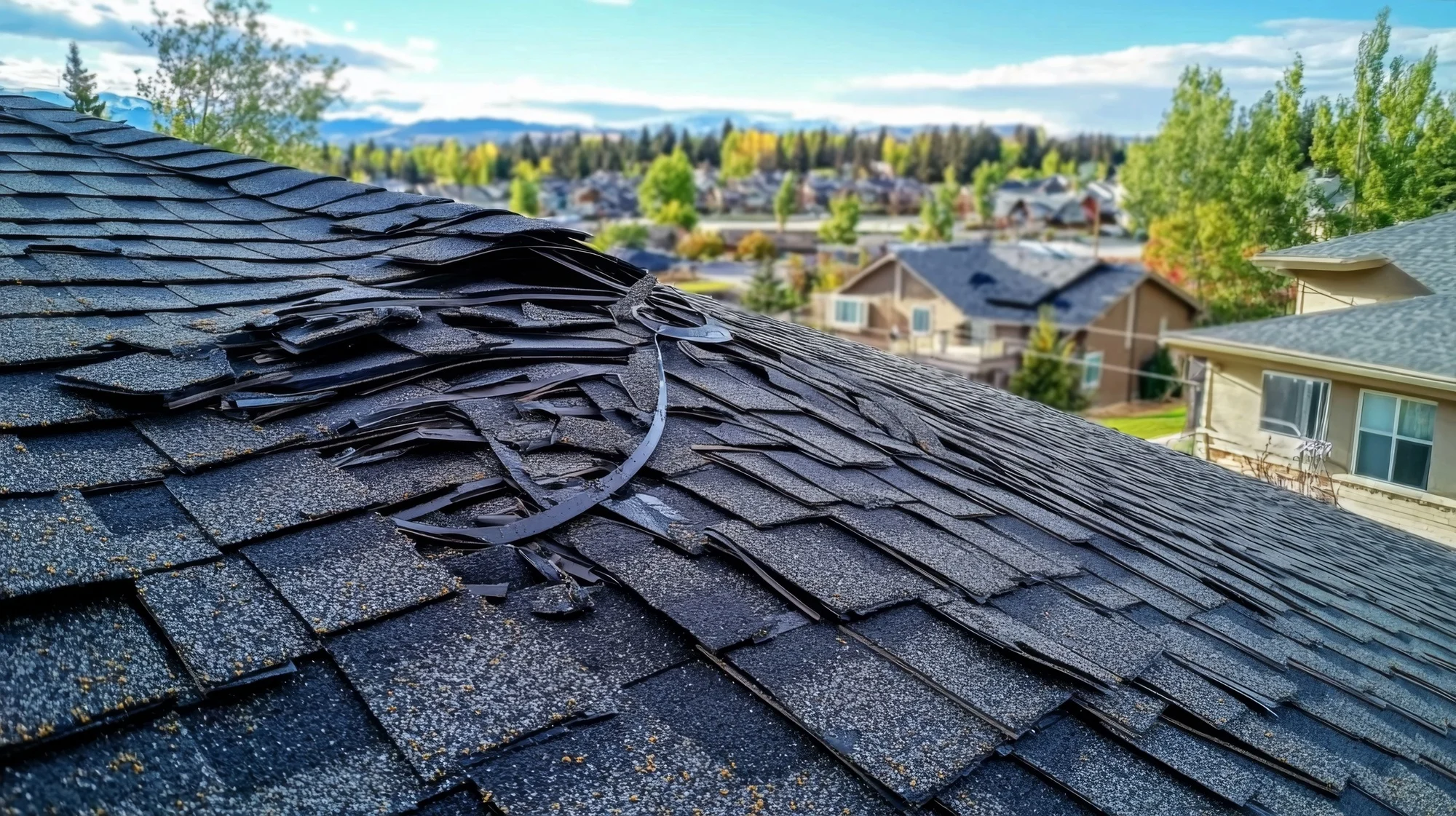
Insurance is designed for sudden events, not gradual deterioration. This is a classic explanation for why do insurance companies deny claims related to roofs, plumbing, or structural damage.
If damage is labeled as:
- Wear and tear
- Poor maintenance
- Long-term neglect
The insurer will argue coverage does not apply. This distinction is central to why do insurance companies deny claims in property insurance.
Why Do Insurance Companies Deny Claims and What You Can Do
Knowing why do insurance companies deny claims puts you in a stronger position. Denial does not always mean the end of the road.
Smart next steps include:
- Requesting a written explanation
- Reviewing the policy line by line
- Filing an appeal with additional evidence
- Hiring a public adjuster or legal professional
Insurance companies count on people giving up. Understanding why do insurance companies deny claims helps you push back with facts instead of frustration.
Final Thoughts on Why Do Insurance Companies Deny Claims
At the end of the day, why do insurance companies deny claims comes down to risk management, profit protection, and strict policy interpretation. Denials are often strategic, not accidental.
If you take one thing away, let it be this: knowing why do insurance companies deny claims is the first step toward preventing denial or overturning one. The system is predictable, and predictability can work in your favor.